
Nothing beats the comforting sizzle and savory aroma of stir-fried noodles, and this Hibachi Noodles Recipe delivers just that. It’s an easy, flavor-packed dish that brings a burst of umami and a touch of sweetness to your dinner table—perfect for a weeknight treat or when you’re craving something fun and satisfying.

Jump to:
Why You'll Love This Recipe
I can’t tell you how many times this Hibachi Noodles Recipe has saved my weeknight dinners when I wanted something quick but totally satisfying. The balance of sweet, salty, and toasted flavors makes it a dish you’ll keep coming back to.
- Simple Ingredients: You don’t need fancy or hard-to-find items—just a handful of pantry staples and fresh aromatics.
- Quick to Make: From start to finish, it comes together in under 40 minutes, leaving you more time to relax.
- Versatile and Customizable: Whether you like it veggie-packed, extra garlicky, or with a protein boost, this recipe adapts beautifully.
- Restaurant-Style Flavor: It captures that authentic hibachi house taste right in your own kitchen, with a lovely toasted finish from butter and sesame oil.
Ingredients & Why They Work
Each ingredient in this Hibachi Noodles Recipe brings something special to the table. The noodles soak up the flavorful sauce perfectly, while the butter and sesame oil add that irresistible savory richness. Here’s a quick look at why I love these ingredients together—and some tips on picking the best ones:

- Yakisoba, Lo Mein, or Spaghetti: These noodles hold up well to stir-frying and soak up sauce without getting mushy. I usually grab yakisoba or lo mein noodles from the Asian aisle, but spaghetti works in a pinch!
- Low-Sodium Soy Sauce: Using low-sodium gives you control over saltiness without sacrificing that deep umami flavor.
- Sesame Oil: It has a toasty, nutty aroma that’s signature in hibachi dishes. A little goes a long way.
- Light Brown Sugar: This adds gentle sweetness and depth, balancing the saltiness of the soy sauce.
- Minced Garlic: Fresh is best for that punch of fragrance and flavor.
- Minced Ginger: Adds a zesty warmth that livens up the whole dish.
- Unsalted Butter: Butter gives a rich, caramelized crispness when you toss the noodles just right—trust me, it’s magic.
- Toasted Sesame Seeds: For that finishing touch of crunch and subtle nutty flavor.
Make It Your Way
I love adding a personal twist to this Hibachi Noodles Recipe depending on what’s in my fridge or mood I’m in. It’s super flexible, so feel free to play around with flavors and ingredients—it’ll always taste great.
- Variation: Sometimes I toss in thinly sliced chicken or shrimp for extra protein—and honestly, it elevates the dish while still keeping it quick.
- Vegetables: Adding crunchy bell peppers, shredded carrots, or snap peas boosts color and nutrition without much extra work.
- Heat it up: If you like spice, a drizzle of sriracha or a sprinkle of crushed red pepper flakes works wonders.
- Gluten-Free Option: Try using rice noodles and tamari instead of soy sauce, and you’re golden.
Step-by-Step: How I Make Hibachi Noodles Recipe

Step 1: Cook Your Noodles Just Right
Start by cooking your noodles according to the package instructions but stop just before they're fully soft—aim for that perfect al dente bite. This is crucial because the noodles will continue to cook in the pan with the sauce and butter, and you want them to stay springy, not mushy. Once cooked, drain and set them aside so you can focus on the stir-fry without overcooking the noodles.
Step 2: Whisk Up the Flavorful Sauce
While your noodles are resting, grab a bowl and whisk together the soy sauce, sesame oil, brown sugar, minced garlic, and ginger. This mixture packs a punch of sweet and savory that perfectly coats the noodles later on. I always give it a quick taste now to adjust the balance—sometimes I add a tad more brown sugar if I want it sweeter or a little extra ginger for zing.
Step 3: Toast Your Noodles in Butter
Heat a large nonstick skillet over medium-high heat and add the butter. When it’s melted and bubbling, add in your noodles. Let them sit for a minute or two before stirring to create those lovely toasted edges and a bit of crispiness—this is the part that makes Hibachi noodles taste so incredible! Toss occasionally, aiming for a nice golden color.
Step 4: Combine and Simmer Gently
Pour the sauce over the noodles and toss everything together thoroughly to coat every strand. Keep cooking for another 2 to 3 minutes, stirring as you go, so the noodles absorb the sauce and all those flavors meld beautifully. This finishing step seals in the taste and gives you that glossy, irresistible finish.
Step 5: Garnish and Serve Immediately
Sprinkle toasted sesame seeds on top just before serving. I like to keep the garnish simple to highlight the nutty notes from the sesame and the buttery noodles. Serve it hot and watch everyone dive right in!
Top Tip
After making this Hibachi Noodles Recipe many times, I’ve learned a few little secrets that really take it from good to restaurant-quality at home. These tips make all the difference, so don’t skip them!
- Don’t Overcook the Noodles: Cooking noodles al dente initially is key—overcooked noodles turn mushy once fried.
- Butter First, Then Noodles: Melt the butter completely before adding noodles so you get that beautiful browning rather than steaming them.
- Keep the Heat High: Medium-high heat helps caramelize the noodles and develop flavor quickly—but watch closely to avoid burning.
- Whisk Sauce Ahead: Mixing sauce ingredients before hand ensures even and flavorful coating when tossed with noodles.
How to Serve Hibachi Noodles Recipe

Garnishes
I usually keep garnishes simple with a sprinkle of toasted sesame seeds because they boost that nutty flavor and add a lovely subtle crunch. Sometimes I toss in thinly sliced green onions for a pop of freshness or a little shredded nori if I’m feeling fancy. If you like heat, a few chili flakes or a drizzle of spicy mayo can kick it up a notch.
Side Dishes
This recipe pairs wonderfully with classic hibachi staples like grilled chicken or shrimp, steamed vegetables, or even a simple cucumber salad. I often serve it alongside a light miso soup or edamame for a balanced meal that feels complete without overwhelming the flavors.
Creative Ways to Present
For a special dinner, I’ve served hibachi noodles in individual bamboo steamers or lacy lettuce cups for some fresh crunch. You can also plate it neatly, garnished with sliced scallions and a sprinkle of sesame seeds, alongside skewers of grilled protein for an impressive but easy presentation.
Make Ahead and Storage
Storing Leftovers
I store leftover hibachi noodles in an airtight container in the fridge and find they stay tasty for up to 3 days. Before storing, let the noodles cool completely to avoid condensation, which can make them soggy.
Freezing
While I haven’t frozen hibachi noodles often, they freeze reasonably well. Just flash cool them, then pack into freezer-safe containers or bags. When thawing, I recommend warming gently on the stovetop to bring back their texture.
Reheating
For best results, I reheat leftovers in a hot skillet with a splash of water or a bit more sesame oil to loosen the noodles and revive their flavor and texture. Microwaving can work but might leave them softer than desired.
Frequently Asked Questions:
Absolutely! While yakisoba or lo mein noodles are traditional, you can also use spaghetti or rice noodles. Just make sure to cook them al dente because they’ll get an extra stir-fry in the pan.
The key is to cook your noodles just right—slightly firm—and then stir-fry them in melted butter over medium-high heat without overcrowding. Let the noodles sit in the pan a bit to get those toast spots before stirring.
As is, the recipe isn’t gluten-free because soy sauce usually contains wheat. However, you can substitute tamari, a gluten-free soy sauce alternative, and use rice noodles to make it gluten-free while keeping the flavors close to the original.
Definitely! Adding vegetables like bell peppers, carrots, or snap peas adds great texture and nutrition. You can also toss in cooked chicken, shrimp, or tofu for a hearty meal. The sauce works beautifully with all these additions.
Final Thoughts
This Hibachi Noodles Recipe holds a special place in my kitchen rotation for its simplicity and unbeatable flavor. It’s a dish that’s both comforting and exciting—bringing a little hibachi magic home without the fuss. Give it a try the next time you want a fast, delicious pasta stir-fry you can make your own. Trust me, once you’ve had these noodles, they’ll be a go-to favorite for your family and friends!
Print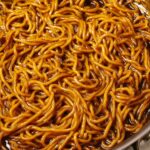
Hibachi Noodles Recipe
- Prep Time: 15 minutes
- Cook Time: 20 minutes
- Total Time: 35 minutes
- Yield: 4 servings
- Category: Main Course
- Method: Frying
- Cuisine: Japanese
Description
Hibachi Noodles are a flavorful and satisfying Japanese-inspired dish featuring yakisoba or lo mein noodles tossed in a savory soy-sesame sauce with garlic, ginger, and a hint of sweetness. Perfect as a quick dinner or a delicious side, these noodles are cooked to al dente and lightly pan-fried to achieve a slight crisp and enhanced flavor.
Ingredients
Noodles
- 1 lb yakisoba, lo mein, or spaghetti noodles
Sauce
- ½ cup low-sodium soy sauce
- 1 tablespoon sesame oil
- 2 tablespoons packed light brown sugar
- 1 tablespoon minced garlic
- 1 tablespoon minced ginger
Other
- 2 tablespoons unsalted butter
- 1 tablespoon toasted sesame seeds (for garnish)
Instructions
- Cook Noodles: Bring a large pot of water to a boil and cook the noodles just before they are completely soft or al dente, leaving a slight bite. Drain the noodles well and set aside.
- Prepare Sauce: In a bowl, whisk together the low-sodium soy sauce, sesame oil, light brown sugar, minced garlic, and minced ginger until the sugar is dissolved and well combined.
- Heat Butter: Place a large nonstick skillet over medium-high heat and add the unsalted butter. Allow the butter to melt and get slightly bubbly but not browned.
- Pan-Fry Noodles: Add the cooked noodles to the skillet. Cook them on medium-high heat, stirring occasionally, for several minutes until they develop a slight golden coloring and some crispy edges.
- Add Sauce and Toss: Pour the prepared sauce over the noodles and toss thoroughly to coat all noodles evenly. Continue cooking for 2 to 3 minutes to allow the flavors to meld and the sauce to thicken slightly.
- Garnish and Serve: Remove from heat, sprinkle with toasted sesame seeds as a garnish, and serve the hibachi noodles immediately. Enjoy your flavorful dish!
Notes
- Use yakisoba noodles for the most authentic texture, but lo mein or even spaghetti pasta can substitute in a pinch.
- If you prefer a spicier dish, add a splash of chili oil or sprinkle crushed red pepper during the sauce mixing step.
- For added protein, consider tossing in cooked shrimp, chicken, or tofu along with the noodles in step 4.
- Make sure not to overcook the noodles initially to prevent them from becoming mushy after pan-frying.
- To enhance the nutty flavor, lightly toast the sesame seeds before garnishing if not already toasted.
Nutrition
- Serving Size: 1 serving
- Calories: 390 kcal
- Sugar: 8 g
- Sodium: 640 mg
- Fat: 14 g
- Saturated Fat: 6 g
- Unsaturated Fat: 7 g
- Trans Fat: 0 g
- Carbohydrates: 58 g
- Fiber: 3 g
- Protein: 10 g
- Cholesterol: 20 mg




Leave a Reply