
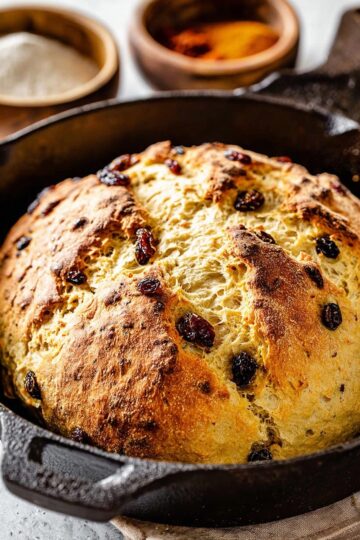
Nothing beats waking up to warm, fluffy treats straight from the oven. This Irish Currant Scones Recipe is one of my absolute go-tos when I want tender, flaky scones dotted with sweet dried currants — perfect for breakfast or an afternoon tea.

Jump to:
Why You'll Love This Recipe
I honestly can’t get enough of these scones. They strike the perfect balance between crumbly and soft, with just the right hint of sweetness from the currants. Plus, they’re so straightforward to make, even if baking isn’t your daily jam.
- Simple Ingredients: Uses basic pantry staples you probably already have on hand.
- Perfect Texture: Cold butter and minimal mixing create light, flaky scones every time.
- Versatile Serving: Enjoy warm with butter, jam, or clotted cream—however you like!
- Generous Yield: Whip up 16 scones perfect for sharing or saving for later.
Ingredients & Why They Work
Before you dive in, here’s a quick rundown of the ingredients and a few tips that’ll help you nail these scones. The magic really starts with cold butter and good-quality dried currants, so keep those in mind when shopping.

- All-purpose flour: The foundation for a tender crumb without weighing the scones down.
- Sugar: Adds just a touch of sweetness to balance the currants.
- Baking powder: Your leavening agent that makes the scones rise beautifully.
- Salt: Enhances all the flavors for that classic taste.
- Cold unsalted butter: Key for those flaky layers; keep it chilled before mixing.
- Dried currants or raisins: The sweet little bursts that make these scones so special.
- Eggs: Provide structure and richness.
- Heavy cream: Adds moisture and tenderness to the dough.
- Beaten egg (for egg wash): Gives your scones a beautiful golden, glossy finish.
Make It Your Way
The beauty of this Irish Currant Scones Recipe is how easy it is to customize while still keeping that classic tender, flaky texture. Whether you want a twist on the fruit or an allergy-friendly swap, there are plenty of options to make these scones your own!
- Swap the Fruit: If currants aren’t your favorite, I’ve had great success swapping in dried cranberries or chopped dried apricots. They add a nice burst of color and flavor while maintaining that lovely chewiness.
- Make Them Vegan: Use a plant-based butter substitute and replace the eggs and cream with a mix of flax eggs and coconut cream. The texture will be a bit different, but still deliciously tender.
- Seasonal Spice Boost: For autumn vibes, stir in 1 teaspoon of cinnamon and a pinch of nutmeg to the dry mix. It’s subtle but makes these scones feel extra cozy when paired with a cup of tea.
- Gluten-Free Option: Try a gluten-free all-purpose blend, but be mindful of the dough consistency. You may need to slightly adjust the cream amount to get the perfect tender crumb.
Step-by-Step: How I Make Irish Currant Scones Recipe

Step 1: Warm Up Your Oven and Prep Your Dry Ingredients
Start by preheating your oven to 350°F—this ensures it’s ready to bake as soon as your dough is shaped. Then, in a large bowl, whisk together 4 cups of all-purpose flour, 3 tablespoons of sugar, 2 tablespoons of baking powder, and 1 tablespoon of salt. Mixing these dry ingredients well gives your scones that perfect even rise and flavor in every bite.
Step 2: Cut in the Butter for Flaky Layers
Add ½ cup of cold, cubed unsalted butter straight from the fridge. Using a pastry cutter or two knives, blend the butter into the flour mixture until it looks like coarse breadcrumbs. This is your secret to light, flaky scones! Don’t rush this step; those small butter bits create layers when baked. Stir in ¾ cup of dried currants last so they’re evenly distributed but not crushed.
Step 3: Mix Your Wet Ingredients
In a measuring cup or bowl, whisk together 4 large beaten eggs with 1 cup of heavy cream until completely combined. This rich, creamy mix will hold your dough together and keep your scones moist and tender.
Step 4: Bringing It Together Gently
Slowly pour the egg and cream mixture into your dry ingredients. Use a spatula to fold everything together gently—stop mixing as soon as the dough starts to clump. Over-mixing can make your scones dense instead of light and flaky. The dough should just hold together, still a bit shaggy but manageable.
Step 5: Light Kneading and Shaping
Turn the dough out onto a floured surface and knead it just a few times to bring it into a smooth ball. Press or roll it out until about 1 inch thick, aiming for an even layer. This thickness ensures your scones bake through without drying out.
Step 6: Cut and Prepare for Baking
Use a 3-inch round cutter to stamp out 16 scones from the dough, re-rolling scraps gently to avoid overworking the dough. Place the scones spaced on a baking sheet lined with parchment paper. For that beautiful, glossy finish, brush the tops lightly with 1 beaten egg before heading to the oven.
Step 7: Bake to Golden Perfection
Bake your scones at 350°F for 22 minutes. Look for a golden brown crust that’s firm to the touch. The aroma filling your kitchen will be absolutely irresistible! Once baked, transfer the scones onto a cooling rack to cool slightly before serving.
Step 8: Enjoy Warm with Your Favorite Toppings
Serve these Irish Currant Scones warm, ideally with butter, jam, or clotted cream. Their tender crumb, studded with sweet currants, makes every bite feel like a cozy Irish breakfast or teatime treat.
Top Tip
Mastering the art of Irish Currant Scones Recipe isn’t just about following steps—these little insights from my kitchen experience truly elevate your scones from good to unforgettable.
- Keep Butter Ice-Cold: I always freeze my butter cubes for at least 30 minutes before mixing them in. It’s the key to getting that flaky, tender crumb every single time.
- Mince Mixing Is Magic: After adding the wet ingredients, I fold gently and stop as soon as the dough comes together—avoiding over-mixing keeps the scones wonderfully light and fluffy.
- Perfect Thickness: Rolling the dough to exactly 1 inch thick creates scones that bake evenly with that perfect golden crust and soft center.
- Don’t Skip the Egg Wash: Brushing the tops with beaten egg gives your scones that beautiful glossy finish that’s impossible to resist.
How to Serve Irish Currant Scones Recipe

Garnishes
Warm your Irish currant scones and top them with a pat of creamy butter that melts right into the crumb. Don’t forget the classic accompaniments like a dollop of raspberry or strawberry jam, or better yet, lashings of fresh clotted cream for the authentic Irish tea experience. For an extra touch, sprinkle a little powdered sugar or drizzle honey over the top.
Side Dishes
These scones are simply brilliant alongside a steaming cup of tea or coffee. For brunch or tea time, serve them with fresh fruit like sliced apples, berries, or citrus segments. A small cheese platter or smoked salmon can also complement the flavors if you're leaning toward a more savory spread.
Make Ahead and Storage
Storing Leftovers
Keep your scones fresh by storing leftovers in an airtight container at room temperature. They’ll stay delicious for up to 2 days—perfect if you want to enjoy them again the next morning.
Freezing
These scones freeze beautifully! You can freeze them both before or after baking. If freezing before baking, shape your scones and place them on a baking sheet to freeze until solid, then transfer to a freezer bag. When ready to bake, add a few extra minutes to the baking time. For baked scones, cool completely and freeze in an airtight container or freezer bag for up to 2 months.
Reheating
Reheat scones gently in a preheated 350°F oven for about 5–7 minutes to bring back their golden crust and warmth. You can also microwave for 10–15 seconds, but watch out—oven heating keeps them flaky without getting soggy.
Frequently Asked Questions:
Absolutely! Dried raisins work just as well and add a similar sweet bite. Just be sure to use the same quantity—¾ cup—to keep the balance right.
Cold butter helps create steam pockets during baking, which makes the scones tender and flaky. If the butter melts too soon, you’ll end up with denser scones.
You can try substituting with a gluten-free all-purpose baking flour blend, but results may vary. You might need to adjust liquids slightly, and the texture could be a bit different from the classic Irish scone crumb.
Avoid over-mixing and over-kneading the dough. Mix just until the ingredients come together, and knead very lightly. Also, add only enough liquid to bind—it’s a delicate balance for tender, flaky scones.
Final Thoughts
Making this Irish Currant Scones Recipe is like a warm hug from an old friend—simple, comforting, and utterly satisfying. Whether you're sharing with loved ones over a cozy morning or savoring a quiet tea time moment, these scones bring a slice of Ireland’s heart right into your kitchen. So, grab your cold butter and dried currants, and let the baking magic begin!
Print
Irish Currant Scones Recipe
- Prep Time: 20 minutes
- Cook Time: 30 minutes
- Total Time: 50 minutes
- Yield: 16 scones 1x
- Category: Breakfast
- Method: Baking
- Cuisine: Irish
- Diet: Vegetarian
Description
Classic Irish scones are tender and flaky with a golden crust and a soft crumb studded with dried currants. This easy recipe uses simple pantry ingredients and cold butter to create perfectly light scones. Ideal for breakfast or tea time, serve warm with butter, jam, or clotted cream for an authentic treat.
Ingredients
Dry Ingredients
- 4 cups all-purpose flour
- 3 tablespoons sugar
- 2 tablespoons baking powder
- 1 tablespoon salt
Butter
- ½ cup cold unsalted butter, cut into cubes
Fruit
- ¾ cup dried currants or raisins
Wet Ingredients
- 4 large eggs, beaten
- 1 cup heavy cream
- 1 egg, beaten (for egg wash)
Instructions
- Preheat Oven. Set your oven to 350 degrees Fahrenheit to prepare for baking the scones.
- Combine Dry Ingredients. In a large bowl, mix the flour, sugar, baking powder, and salt until evenly combined.
- Cut in Butter. Add the cold cubed butter to the dry ingredients and use a pastry cutter or two knives to blend until the mixture resembles coarse breadcrumbs. Stir in the dried currants or raisins.
- Mix Wet Ingredients. In a separate container, whisk together the beaten eggs and heavy cream.
- Form Dough. Slowly pour the wet mixture into the dry ingredients while folding with a spatula just until the dough begins to come together. Avoid over-mixing.
- Shape Dough. Turn the dough onto a floured surface and knead lightly. Press or roll the dough into a smooth 1-inch thick layer.
- Cut Scones. Using a 3-inch round cutter, cut the dough into 16 scones, re-rolling scraps as needed. Arrange them on a baking sheet.
- Apply Egg Wash. Brush the tops of the scones with the beaten egg for a glossy finish.
- Bake. Bake for 22 minutes or until golden brown and cooked through. Remove and let cool on a rack.
- Serve. Enjoy warm with butter, jam, or clotted cream for a traditional Irish treat.
Notes
- Use cold butter to ensure light, flaky scones; freezing butter for 30 minutes beforehand helps.
- If you don't have a pastry cutter, grate the cold butter using a box grater directly into the flour mixture.
- Do not over-mix or over-knead the dough to avoid dense scones.
- Add just enough liquid to bind the dough to keep the texture tender.
- Scones can be frozen either before or after baking for convenience.
- If using frozen fruits, fold them in right before cutting to prevent bleeding flavors.
Nutrition
- Serving Size: 1 scone
- Calories: 230 kcal
- Sugar: 5 g
- Sodium: 400 mg
- Fat: 11 g
- Saturated Fat: 7 g
- Unsaturated Fat: 3 g
- Trans Fat: 0 g
- Carbohydrates: 28 g
- Fiber: 1 g
- Protein: 5 g
- Cholesterol: 90 mg


Leave a Reply