
There’s something truly comforting about a cheesecake that feels light and fresh, and that’s exactly what this Ricotta Cheesecake Recipe delivers. Creamy, dreamy, with just the right hint of citrus—it’s a dessert that’s both elegant and easy enough to make any time you want to impress.

Jump to:
Why You'll Love This Recipe
I can’t tell you how many times I’ve turned to this ricotta cheesecake when I want something a little lighter than your typical dense dessert. It perfectly balances richness and freshness, making it a crowd-pleaser every time.
- Light yet creamy texture: The ricotta adds a pleasant creaminess without weighing the cheesecake down like heavy cream or sour cream can.
- Bright citrus zing: Orange zest brings brightness that complements the subtle sweetness beautifully.
- Water bath baking method: Ensures your cheesecake stays smooth and crack-free, giving you that perfect silky finish.
- Versatile topping options: You can add fresh berries, chocolate chips, or simple whipped cream to make it your own.
Ingredients & Why They Work
Each ingredient in this Ricotta Cheesecake Recipe plays an important role in creating that iconic texture and flavor. Plus, I’ll share a few tips on picking the best ricotta and cheeses for your bake.
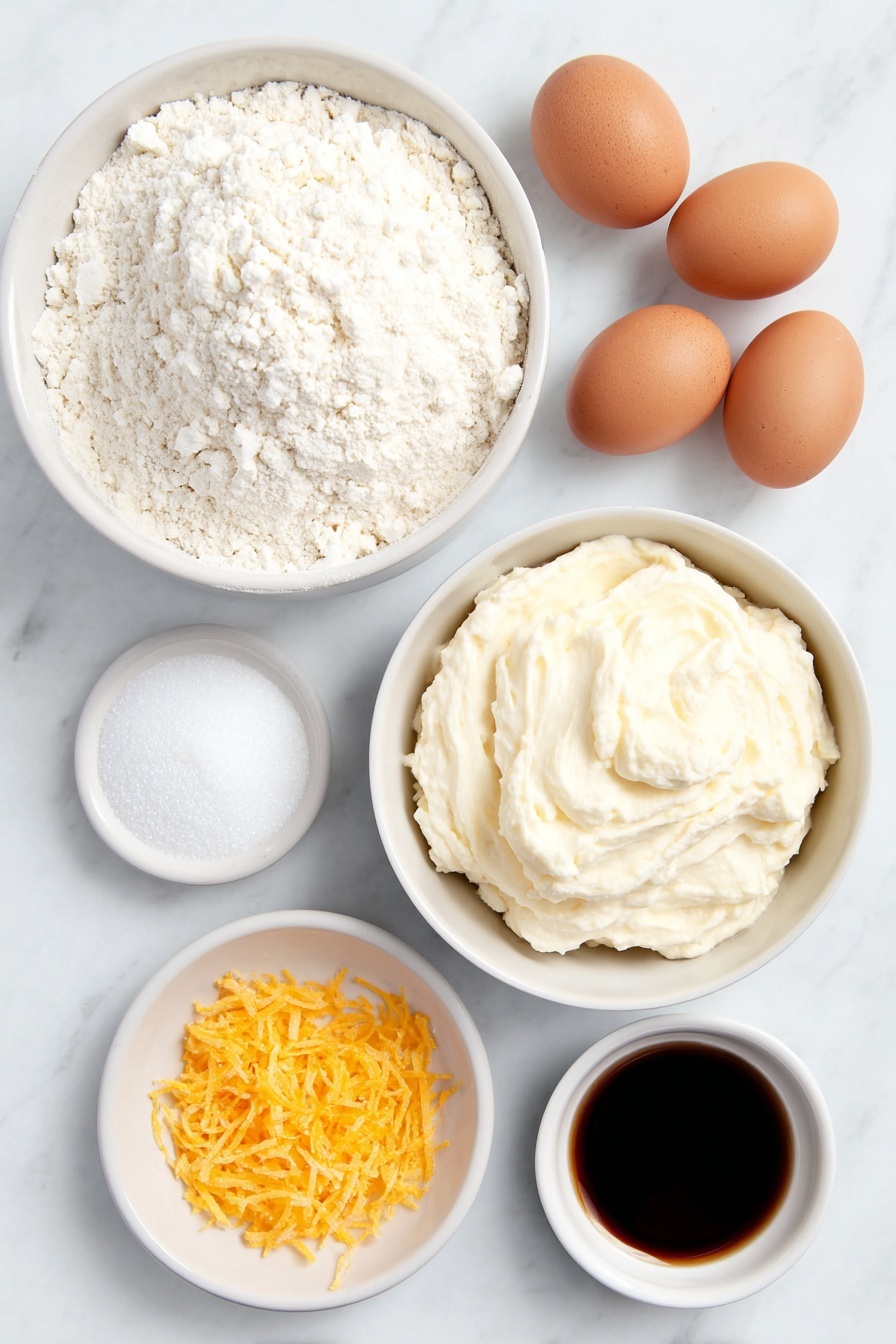
- Ricotta cheese: Draining it properly is key—too wet, and your cheesecake will be watery. Use a fresh or good-quality store-bought ricotta for that smooth, creamy base.
- Cream cheese: Softened to room temperature for easy blending and that classic cheesecake richness.
- Granulated sugar: Sweetens without overpowering the delicate flavors.
- All-purpose flour: Just a touch helps stabilize the batter so the cheesecake holds its shape.
- Large eggs: Add moisture and structure—make sure they’re room temp to blend smoothly.
- Vanilla extract or vanilla bean paste: Enhances the flavor beautifully with sweet, warm notes.
- Salt: Balances out the sweetness and brings depth.
- Orange zest: A fresh burst of citrus that elevates each bite.
- Graham cracker crust: Offers a slightly crunchy, buttery base that pairs perfectly with the creamy topping.
Make It Your Way
Over time, I’ve found little tweaks that make this Ricotta Cheesecake Recipe truly mine—but I love encouraging you to try your own spin. It’s a flexible recipe that welcomes creativity.
- Variation: Sometimes I swap the orange zest for lemon zest for a sharper citrus punch that’s especially refreshing in spring and summer.
- Lower sugar: You can reduce the sugar slightly if you prefer a less sweet dessert; just trust your taste buds and adjust gradually.
- Crust alternatives: If graham crackers aren’t your thing, try crushed almonds or digestive biscuits instead for a nutty twist.
- Dairy substitutions: For a lighter version, part-skim ricotta works, but results get creamier with full-fat varieties.
Step-by-Step: How I Make Ricotta Cheesecake Recipe

Step 1: Drain the ricotta properly
This step really sets the stage for success. Use a cheesecloth-lined sieve and press a plate weighted down with something heavy on top of the ricotta. I often drain mine overnight in the fridge, but even a few hours will do if you’re pressed for time. This removes excess moisture, which means your cheesecake won’t be soggy.
Step 2: Prep the graham cracker crust
Make or buy a graham cracker crust and bake it until it’s slightly golden and firm. I like to give the crust a little extra time just to make sure it sets well under the creamy batter and won’t soften too much after baking.
Step 3: Mix the cheesecake batter
Beat the cream cheese until super smooth, then add sugar and beat again to incorporate air for a fluffy texture. Add your drained ricotta gradually, then the flour. When adding eggs, do it slowly one at a time, mixing just enough to combine and prevent cracks from forming. Finish with vanilla, salt, and orange zest for that lovely layered flavor.
Step 4: Bake in a water bath
Place your batter-filled pan wrapped in foil inside a larger pan with hot water. This water bath keeps the heat gentle and even, helping to prevent cracking and overcooking. Bake at 325°F for about 60-75 minutes—look for a cheesecake that's mostly set but still jiggles slightly in the middle.
Step 5: Cool and chill for best texture
After baking, turn off the oven and leave the cheesecake inside for one hour to cool gently. Then refrigerate for at least 6 hours (overnight is best). Patience here really rewards you with a firm yet creamy texture that cuts beautifully.
Step 6: Spread ricotta topping and decorate
Whip the remaining drained ricotta with powdered sugar and vanilla just until creamy, then smooth it over your chilled cheesecake. I love topping mine with fresh raspberries and a few chocolate chips, but feel free to get creative!
Top Tip
From my experience, avoiding cracks and getting that perfect creamy texture is all about the water bath, gradual egg incorporation, and patient cooling. These tips have saved me many a baking disaster and made this cheesecake shine.
- Drain ricotta fully: Soggy ricotta means a watery cheesecake. Drain it well, even overnight if you have the time.
- Mix eggs gently: Add eggs one at a time and stir gently to avoid wrinkles or cracks.
- Use a water bath: This stabilizes the temperature and prevents dry edges and cracking.
- Cool slowly: Don’t rush cooling; letting it set gradually helps to keep the texture smooth.
How to Serve Ricotta Cheesecake Recipe

Garnishes
I usually stick to fresh berries like raspberries or sliced strawberries—they add a juicy pop and natural sweetness that pairs beautifully with the creamy ricotta topping. Occasionally I’ll sprinkle a few mini chocolate chips or a light dusting of powdered sugar for extra charm.
Side Dishes
This cheesecake is a dessert on its own, but if I’m serving it after dinner, I’ll pair it with a fresh berry compote or a cup of rich espresso to balance the sweetness and refresh the palate.
Creative Ways to Present
For holidays or dinner parties, I’ve arranged individual cheesecake slices on a platter with edible flowers and mint leaves for a beautiful, elevated look. Another fun idea is layering sliced ricotta cheesecake with fresh fruit in glass jars for a pretty, portable treat.
Make Ahead and Storage
Storing Leftovers
I store leftover ricotta cheesecake in an airtight container in the fridge, tightly wrapped to prevent it drying out. It keeps well for up to 4 or 5 days, although most times it doesn't last that long at my house!
Freezing
Freezing cheesecake is a lifesaver for me. I usually freeze it first uncovered until firm, then wrap it tightly with plastic wrap and place it in an airtight container to prevent freezer burn. It freezes well for up to 2 months without losing much flavor or texture.
Reheating
Since this cheesecake is best served chilled, I don’t actually reheat leftovers. Just thaw frozen slices in the fridge overnight, and they taste just as fresh and delicious as the day I made them.
Frequently Asked Questions:
The key is baking the cheesecake in a water bath to keep the temperature even and gentle, adding eggs slowly while mixing just until combined, and letting the cake cool slowly in the oven before chilling it in the fridge.
You could, but the ricotta is what gives this cheesecake its light, creamy texture and fresh feel. Using cream cheese alone would make a denser, more traditional cheesecake.
It’s best to drain the ricotta for at least 2 hours, but overnight in the fridge is ideal to remove as much moisture as possible for the best texture in your cheesecake.
You can, but it increases the risk of cracks and uneven baking. The water bath is what gently bakes the cheesecake, making it smooth and crack-free, so I highly recommend using it for best results.
Final Thoughts
This ricotta cheesecake has become one of my go-to recipes whenever I want something impressive yet not fussy—its balanced flavor and melt-in-your-mouth texture just can’t be beat. I hope you give this Ricotta Cheesecake Recipe a try soon and discover how easy it is to make a dessert that feels so special and downright delicious. Trust me, you’ll want to make it again and again!
Print
Ricotta Cheesecake Recipe
- Prep Time: 25 minutes
- Cook Time: 1 hour
- Total Time: 7 hours 25 minutes
- Yield: 12 servings
- Category: Dessert
- Method: Baking
- Cuisine: Italian-American
- Diet: Vegetarian
Description
This Ricotta Cheesecake combines creamy ricotta cheese with a classic graham cracker crust and a light orange zest flavor. The cheesecake is baked in a water bath to ensure a smooth, crack-free finish and topped with a sweet ricotta cream for a delightful and elegant dessert.
Ingredients
Ricotta
- 2½ cups ricotta cheese 625 grams, store-bought or homemade
Graham Cracker Crust
- Prepare the graham cracker crust according to the recipe linked in the article (typically graham crackers, butter, and sugar).
Cheesecake Batter
- 226 grams cream cheese softened (1 package of 8 oz.)
- 1¼ cup granulated sugar 250 grams
- 2 cups drained ricotta cheese from above
- ¼ cup all-purpose flour
- 4 large eggs room temperature
- ½ tablespoon vanilla extract or vanilla bean paste
- ½ teaspoon salt
- 2 tablespoon orange zest
Ricotta Topping
- ½ cup drained ricotta cheese from above
- 2 tablespoon powdered sugar
- ½ teaspoon vanilla extract
Instructions
- Drain the Ricotta: Weigh 2½ cups ricotta cheese and place it in a cheesecloth-lined fine mesh sieve. Fold the cloth over the ricotta and place a plate with a heavy object on top to strain the water. Drain for at least 2 hours or overnight in the fridge, ensuring it remains covered.
- Prepare the Graham Cracker Crust: Follow the graham cracker crust recipe as described in the provided source, bake, and let it cool completely.
- Prepare the Cheesecake Batter: Grease the exposed sides of the cheesecake pan. Beat the softened cream cheese at medium speed for 2 minutes until creamy. Add granulated sugar and beat for another minute, scraping the bowl. Add drained ricotta cheese and beat for 1 minute; scrape and beat an additional 30 seconds. Mix in the flour until combined.
- Add Eggs and Flavorings: Add eggs one at a time, mixing gently until incorporated after each addition to avoid overmixing. Add vanilla extract or vanilla bean paste, salt, and orange zest and mix briefly.
- Assemble for Baking: Pour the batter over the cooled graham cracker crust in the pan. Wrap the bottom of the pan in foil and place it in a larger roasting pan filled with hot water to create a water bath to prevent cracking.
- Bake the Cheesecake: Bake at 325ºF for 75 minutes until the edges are set and the center jiggles slightly. Turn off the oven and leave the cheesecake inside for 1 hour to cool gradually.
- Chill the Cheesecake: Remove cheesecake from the oven, let it cool at room temperature, then refrigerate for at least 6 hours with the pan ring on.
- Prepare Ricotta Topping: Whip the remaining ½ cup drained ricotta with powdered sugar and vanilla extract just until smooth and creamy.
- Decorate and Serve: Remove the cheesecake ring, spread the ricotta topping evenly over the cheesecake, and decorate with raspberries, strawberries, or chocolate chips as desired. Slice and serve chilled.
Notes
- Storage: Store in an airtight container in the refrigerator for up to 5 days or freeze for up to 2 months. For freezing, wrap tightly in plastic wrap then place in an airtight container.
- Oven Temperature: For convection ovens, reduce baking temperature to 300ºF and adjust baking time accordingly. Use an oven thermometer to ensure accurate temperature to prevent cracking or prolonged baking.
- Straining Ricotta: Make sure the ricotta is well drained to avoid excess moisture in the cheesecake batter which can affect texture.
- Water Bath: Using a water bath is essential for even baking and to prevent cracks on the cheesecake surface.
- Room Temperature Eggs: Using eggs at room temperature helps to incorporate them better, reducing chances of cracking.
Nutrition
- Serving Size: 1 slice
- Calories: 360 kcal
- Sugar: 20 g
- Sodium: 180 mg
- Fat: 25 g
- Saturated Fat: 13 g
- Unsaturated Fat: 9 g
- Trans Fat: 0 g
- Carbohydrates: 22 g
- Fiber: 1 g
- Protein: 8 g
- Cholesterol: 110 mg



Leave a Reply